Has the lipstick effect Evolved?
Bag charms, shoelaces and shoe charms, brooches, scarves. In my experience working retail, these are items that have been pushed by many brands. Is this the new lipstick effect?Plenty of consumers are bound to buy cute inexpensive items no matter their financial situation, but the uptick in small kitschy items and accessories I’ve seen throughout my years of working retail have piqued my interest. Are these trends manufactured to foster self expression, or to target less financially stable individuals, giving them the opportunity to participate? It feels as though every company is trying to benefit from the lipstick effect.
While my theory may be overly dramatic, or not consistently true with every merchant and/or consumer, it’s definitely something to look at. The lipstick effect has been a consistent trend of buyer behavior during times of financial pressure.
The lipstick effect can be traced back to the Great Depression. During this time, unemployment was at 25%, the highest unemployment rate in United States history, and industrial production was cut in half. But, cosmetics companies did not suffer the same way the rest of the economy did. Beiersdorf, the parent company of NIVEA, did not have to lay off a single employee in Germany, where unemployment peaked at 30%.
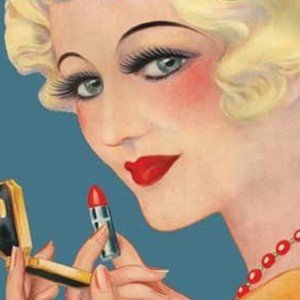
This phenomena occurs when consumers have very limited funds to spend on non-essential items. During the Great Depression, the personal luxury item of choice was lipstick, hence the name “lipstick effect.” It was a comparatively low-cost item that allowed women to feel good about their appearance, and fulfill their spending urges. This pattern reigned true throughout a handful of other economic crises, but does not really exist in the same way anymore.
No financial crisis in America has ever been as destructive as the Great Depression. The whole of society does not suffer the same way during financial crises anymore. Additionally, the market is far too oversaturated for us to see such a unified increase of one company, or one type of item. It is unlikely that we will see a trend as strong as the original lipstick effect, but that doesn't mean the idea is lost.
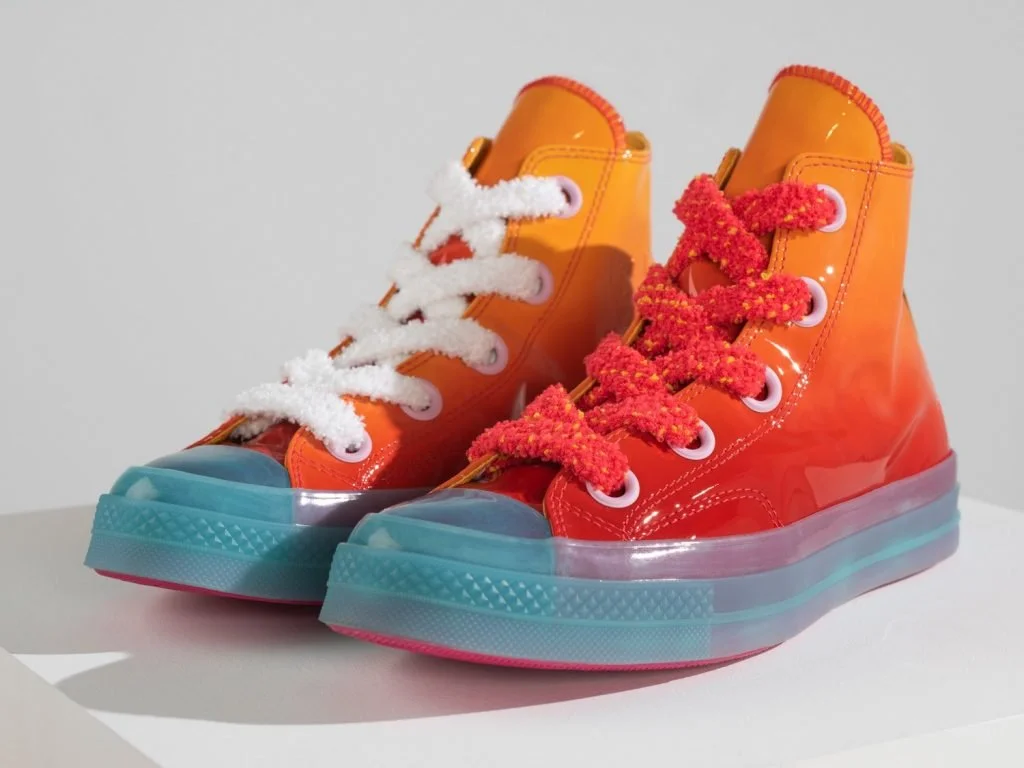
JW Anderson x Converse
Working at a very high traffic shopping mall allows me to easily observe how trends travel from premium to mass market companies. Last year, there was an uptick in the amount of shoe charms and various styles of shoelaces seen in stores. This stood out to me because I had never seen such a large, in-store selection of novelty shoelaces in my life. I’ve seen Dr. Marten’s lace some of their boots with silky ribbon, and JW Anderson’s 2018 toy collaboration with Converse use thick fuzzy laces, but never have I seen clothing stores invest so heavily in different shoelaces. Gingham, polka dot, lace, velvet, organza; any combination of pattern and fabric imaginable
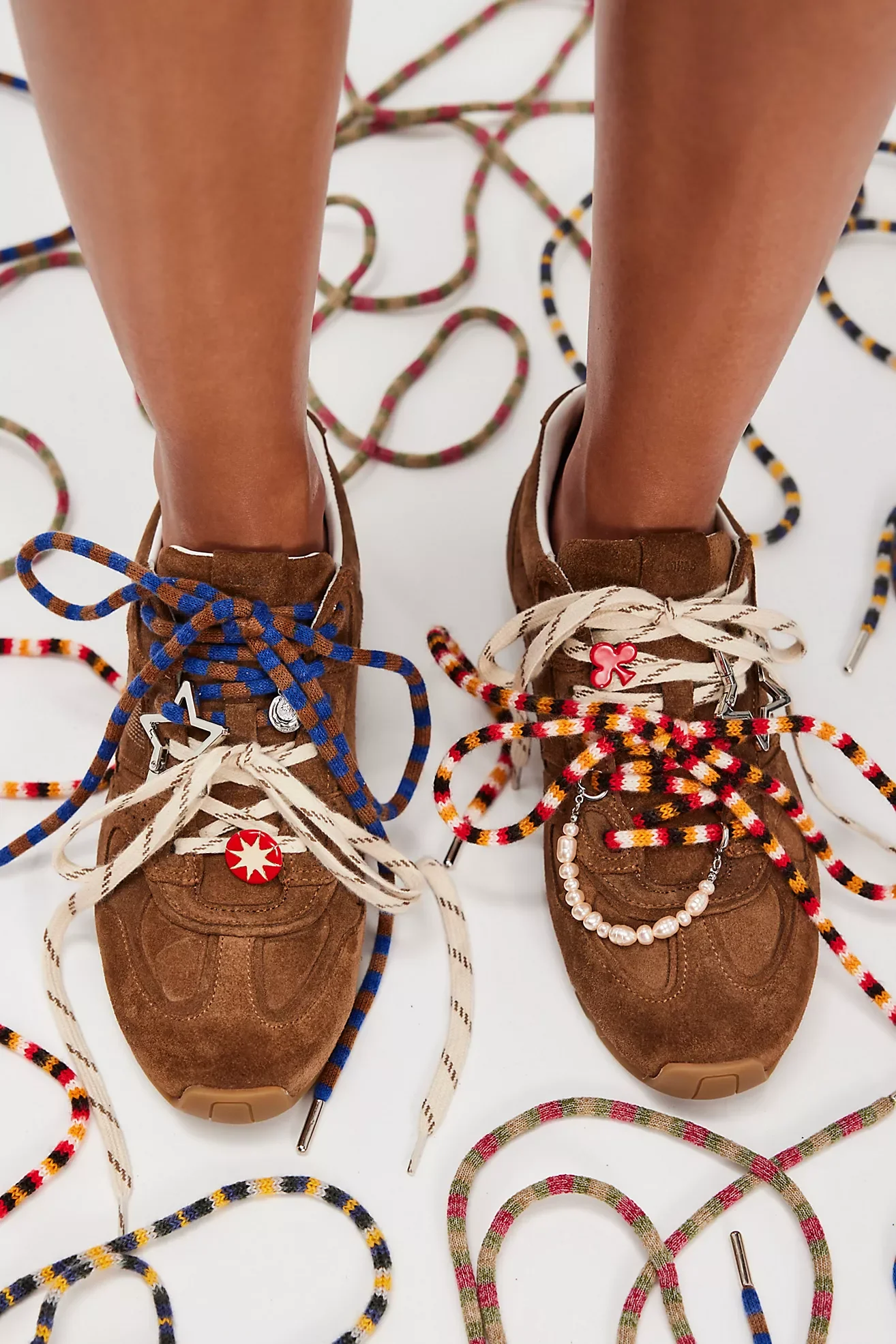
Scarves, brooches, and bag charms also started popping up in record-large numbers throughout clothing stores in the past year. All of these items serve the same purpose that lipstick did during the depression. It is an affordable item, meant to enhance or alter your preexisting garments. They are being sold in order to satisfy spending urges.
While these trends mirror patterns of the lipstick effect, there seems to be another behavioral trend at play. These days, consumers want to take the easy way out. We are currently in an era where anything can show up at your doorstep in 2 days with the click of a button, and social media is fostering herd mentality. So, these accessorizing trends, which were largely created through DIY-ing and thrifting, are now being mass produced and sold first-hand by fashion companies. Some people are more likely to buy something in store because it is faster and trendier than the DIY version. Searching through bins at antique stores, or scouring Ebay for the perfect vintage brooch takes far more time and effort than going to your favorite store and purchasing the vintage-inspired brooch, beautifully styled with a trendy oversized blazer.
I don't think that selling these small ticket accessories is a bad thing in itself, as many of them can be worn in a variety of ways, and repurposed throughout the years. I am more interested in how we got to this point. No consumer can deny the strong push for these items. Are these trends being manufactured by fashion companies in order to create this desire to participate in? Is this reminiscent of the lipstick effect, or is this just good old-fashion consumerism?
